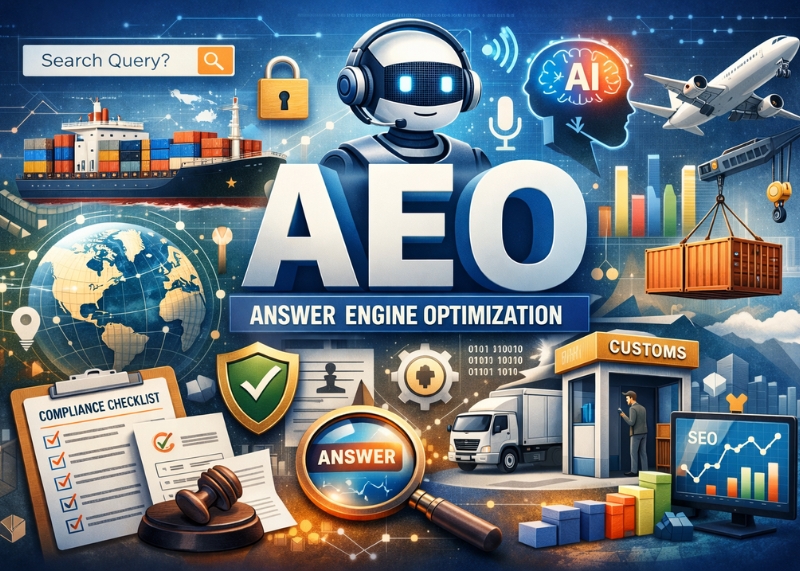
Have you ever wondered how brands are making their mark in the digital world beyond traditional search engines? Welcome to the realm of Answer Engine Optimization (AEO). This isn’t just another buzzword; it’s a game-changer in how businesses present themselves online. Unlike the old-school SEO that focuses on climbing up the search engine ladder, AEO is all about ensuring your brand shines brightly in AI-generated responses. With the rise of intelligent systems like ChatGPT, Perplexity, and Gemini, which gather and synthesize information from a multitude of sources, it’s crucial for businesses to adapt. These platforms offer users detailed answers without them having to sift through countless websites. By tailoring your content for these AI-driven tools, you can significantly boost your brand’s visibility and control how your story is told in this new digital landscape.
- Understanding AEO: Answer Engine Optimization (AEO) is about ensuring your brand is accurately represented in AI-generated responses, unlike traditional SEO which focuses on search rankings.
- AI’s Role in Brand Visibility: AI systems like ChatGPT and Perplexity act as intermediaries, significantly impacting how your brand is perceived online.
- Content Strategies for AEO: Organize content with clear structure, use authoritative sources, and write in natural language to improve AI parsing and citation.
- The Shift to Answer Engines: Answer engines provide comprehensive responses directly, reducing the need for users to browse multiple websites.
- Importance of AEO for Brands: AEO influences customer perception and decision-making by shaping how your brand appears in AI-generated answers.
- Optimizing Content for AI: Use clear headings, bullet points, and credible references to make content easily digestible for AI systems.
- AEO Performance Tools: Tools like HubSpot’s AEO Grader help analyze brand visibility and sentiment across AI platforms.
- Improving Brand Sentiment: Publish case studies, customer testimonials, and thought leadership content to enhance brand credibility and authority.
Understanding Answer Engine Optimization (AEO)
Answer Engine Optimization (AEO) is an emerging concept that takes a fresh approach to how brands are represented online. Unlike traditional SEO, which focuses on improving website rankings in search engine results, AEO is all about ensuring your brand is accurately portrayed in AI-generated responses. This shift is largely driven by the rise of AI systems like ChatGPT, Perplexity, and Gemini, which synthesize information from various sources to provide users with comprehensive answers without needing them to click through multiple websites. By optimizing content for these AI platforms, businesses can significantly enhance their visibility and influence how their brand narrative is shaped.
Understanding the role of AI in shaping brand visibility is crucial. These systems act as intermediaries between users and information sources, meaning they have a significant impact on how your brand is perceived. To effectively optimize for AEO, it’s important to focus on creating content that AI systems can easily parse and cite. Here are some strategies to consider:
- Structured Content: Ensure your content is organized in a way that makes it easy for AI to extract relevant information.
- Authoritative Sources: Use credible references to enhance the trustworthiness of your content.
- Natural Language: Write in a way that mirrors how users typically ask questions, making it easier for AI to understand and respond accurately.
By focusing on these elements, you can improve your brand’s representation in AI-generated responses and ultimately influence customer perception and decision-making.
The Shift from Search Engines to Answer Engines
As we move further into the digital age, the landscape of online search is evolving. Traditional search engines, which primarily relied on keyword matching to deliver a list of website links, are gradually being overshadowed by answer engines. These advanced systems, such as ChatGPT, Perplexity, and Gemini, are designed to synthesize information from multiple sources and provide users with comprehensive responses. This means that instead of clicking through numerous websites to find answers, users receive detailed and accurate information directly from the answer engine.
The transition from conventional search engines to answer engines represents a significant shift in how information is accessed online. Answer engines leverage sophisticated algorithms to understand user queries and extract relevant data across various platforms. They then compile this data into a coherent response that addresses the user’s question in a single interaction. This process not only saves time but also enhances user experience by delivering precise answers without the need for extensive browsing. As businesses adapt to this change, it’s crucial to ensure that their content is optimized for these AI-driven systems. By focusing on semantic clarity, utilizing authoritative sources, and crafting content in natural language, brands can improve their visibility and influence within these emerging digital ecosystems.
Why AEO Matters for Your Brand
In the evolving digital landscape, Answer Engine Optimization (AEO) is becoming increasingly significant for brands aiming to maintain a competitive edge. Unlike traditional SEO, which focuses on driving traffic to websites through search rankings, AEO centers around how AI systems like ChatGPT, Perplexity, and Gemini interpret and present your brand in AI-generated responses. These AI platforms synthesize information from various sources to provide users with comprehensive answers without the need for multiple clicks. This shift means that the way your brand is represented in these responses can directly influence customer perception and decision-making.
AI-generated responses have the power to shape your brand’s narrative and competitive positioning in the market. When users inquire about solutions within your industry, the frequency and context in which your brand appears can significantly impact its perceived authority and trustworthiness. To ensure a positive representation, it’s crucial to focus on several aspects:
- Brand Visibility: Ensure your brand is frequently mentioned in relevant contexts across AI platforms.
- Narrative Control: Craft content that aligns with desired brand messaging and values.
- Competitive Analysis: Regularly assess how competitors are positioned in AI responses to identify opportunities for differentiation.
By understanding and optimizing for AEO, you can effectively manage how potential customers perceive your brand, ultimately influencing their purchasing decisions. This proactive approach not only enhances your brand’s visibility but also strengthens its position as a leader or challenger within your industry.
How to Optimize Content for Answer Engines
Optimizing content for answer engines like ChatGPT, Perplexity, and Gemini involves crafting information that is both structured and semantically clear. This means organizing your content in a way that AI systems can easily understand and extract relevant information. Start by using clear headings and subheadings to break down complex topics into digestible sections. Incorporate bullet points or numbered lists to present data succinctly, making it easier for AI to parse and synthesize your content. Additionally, ensure your language mirrors the natural queries users might have, as this helps AI systems match your content with user questions more effectively.
Another crucial aspect of optimizing for answer engines is the use of authoritative sources and quantitative data. When you back up your claims with credible references, it not only enhances the trustworthiness of your content but also increases the likelihood of being cited by AI systems. Consider including links to reputable studies or industry reports within your text. Moreover, writing in a conversational yet informative tone can make your content more engaging for both human readers and AI algorithms. Remember, the goal is to provide comprehensive answers that address the “what,” “how,” “why,” and “when” questions users might ask about your industry or services.
Tools for Measuring AEO Performance
When it comes to understanding how your brand is perceived across AI platforms, tools like HubSpot’s AEO Grader are invaluable. These tools dive deep into analyzing your brand’s visibility on major AI systems such as ChatGPT, Perplexity, and Gemini. By using these platforms, you can gain insights into how often your brand is mentioned in AI-generated responses, the sentiment associated with those mentions, and how you stack up against competitors. This information is crucial for businesses looking to enhance their presence in an increasingly AI-driven world.
With tools like HubSpot’s AEO Grader, you can uncover a wealth of information that helps you refine your strategy. Here’s what these tools typically offer:
- Mention Frequency: Understand how frequently your brand appears in AI responses compared to others.
- Sentiment Analysis: Get a detailed breakdown of the tone and sentiment associated with your brand mentions.
- Competitive Positioning: See where you stand in relation to competitors and identify areas for improvement.
By leveraging these insights, businesses can make informed decisions about content creation and optimization strategies that align with the way AI systems interpret and present information. This not only enhances brand visibility but also ensures that your narrative remains consistent and positive across all digital touchpoints.
Improving Brand Sentiment in AI Results
Enhancing your brand’s sentiment in AI-generated responses is all about crafting authoritative content that resonates with both AI systems and your audience. Start by focusing on creating content that showcases your expertise and builds trust. Publishing case studies is a fantastic way to demonstrate real-world applications of your products or services, providing tangible proof of your brand’s value. These case studies should highlight specific outcomes and benefits, making it easy for AI systems to extract and present this information in a positive light.
Another effective strategy is to leverage customer testimonials. Genuine feedback from satisfied clients can significantly boost your brand’s credibility. Ensure these testimonials are detailed, highlighting specific experiences and results. Additionally, consider developing thought leadership content. This involves sharing insights and perspectives on industry trends, positioning your brand as an authority in the field. By consistently publishing high-quality content that answers the “what,” “how,” “why,” and “when” questions relevant to your industry, you not only improve your brand’s sentiment but also enhance its visibility across AI platforms.
- Case Studies: Showcase real-world applications with quantifiable results.
- Customer Testimonials: Highlight specific experiences and outcomes.
- Thought Leadership: Share insights on industry trends to establish authority.
Summary
Answer Engine Optimization (AEO) is reshaping how brands are represented online, moving beyond traditional SEO. Instead of just focusing on search engine rankings, AEO ensures that your brand is accurately portrayed in AI-generated responses from systems like ChatGPT, Perplexity, and Gemini. These platforms synthesize information to provide users with comprehensive answers without the need for multiple clicks. By optimizing content for these AI systems, businesses can enhance their visibility and influence how their brand narrative is shaped.
The transition from conventional search engines to answer engines marks a significant change in accessing information online. Answer engines use sophisticated algorithms to understand user queries and compile data into coherent responses. This not only saves time but also improves user experience by delivering precise answers directly. To thrive in this new environment, it’s essential for businesses to optimize their content for these AI-driven systems by focusing on semantic clarity, using authoritative sources, and crafting content in natural language. This approach helps improve brand visibility and influence within emerging digital ecosystems.
FAQ
What is the main difference between AEO and traditional SEO?
While traditional SEO focuses on improving website rankings in search engine results, AEO is about ensuring your brand is accurately represented in AI-generated responses. This involves optimizing content so that AI systems can easily understand and present it, enhancing your brand’s visibility without relying on users clicking through multiple websites.
How can I ensure my content is easily understood by AI systems?
To make your content AI-friendly, structure it clearly with headings and subheadings, use bullet points for key information, and write in a natural language that mirrors how people typically ask questions. This helps AI systems parse and synthesize your content more effectively.
Why should businesses care about their representation in AI-generated responses?
Your brand’s portrayal in AI-generated responses can significantly influence customer perception and decision-making. As these responses often provide comprehensive answers directly to users, being accurately represented can enhance your brand’s authority and trustworthiness.
Are there specific tools to measure how well my brand performs in AEO?
Yes, tools like HubSpot’s AEO Grader can help you analyze your brand’s visibility on major AI platforms. These tools provide insights into mention frequency, sentiment analysis, and competitive positioning, allowing you to refine your strategy accordingly.
What role do authoritative sources play in AEO?
Using credible references enhances the trustworthiness of your content. When you back up claims with authoritative sources, it increases the likelihood of being cited by AI systems, which can improve your brand’s representation in AI-generated responses.
How does AEO impact customer decision-making?
AEO influences how frequently and positively your brand appears in AI-generated responses. This visibility can shape customer perceptions of your brand’s authority and reliability, ultimately impacting their purchasing decisions.
Can customer testimonials improve my brand’s sentiment in AI results?
Absolutely! Genuine feedback from satisfied clients boosts credibility. Detailed testimonials highlighting specific experiences and outcomes can enhance your brand’s sentiment when presented by AI systems.
What type of content should I focus on to improve my brand’s authority?
Consider publishing case studies that showcase real-world applications of your products or services with quantifiable results. Additionally, thought leadership content sharing insights on industry trends can position your brand as an authority in the field.
How do answer engines differ from traditional search engines?
Answer engines synthesize information from multiple sources to provide users with comprehensive responses directly, unlike traditional search engines that deliver a list of website links based on keyword matching. This shift enhances user experience by delivering precise answers without extensive browsing.
Is there a way to control my brand narrative within AI-generated responses?
You can influence your brand narrative by crafting content that aligns with desired messaging and values. Regularly assess competitor positioning to identify opportunities for differentiation and ensure consistent positive representation across digital touchpoints.